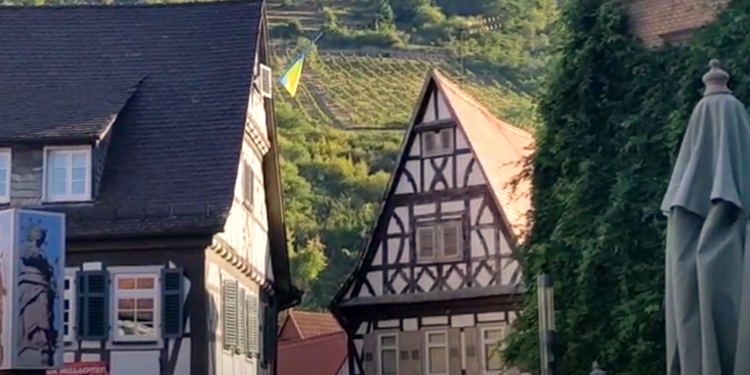
Rheingau: Historic, Venerable, Rejuvenated
Climate: Protected by the Taunus mountain and the forest above, the Rheingau has mild winters and warm summers
Pfalz Producers
Südliche Weinstraße | Schweigen | 29.8 hectares | Certified biodynamic by respekt-BIODYN
Pfalz: Pfalz is for the Feinschmecker
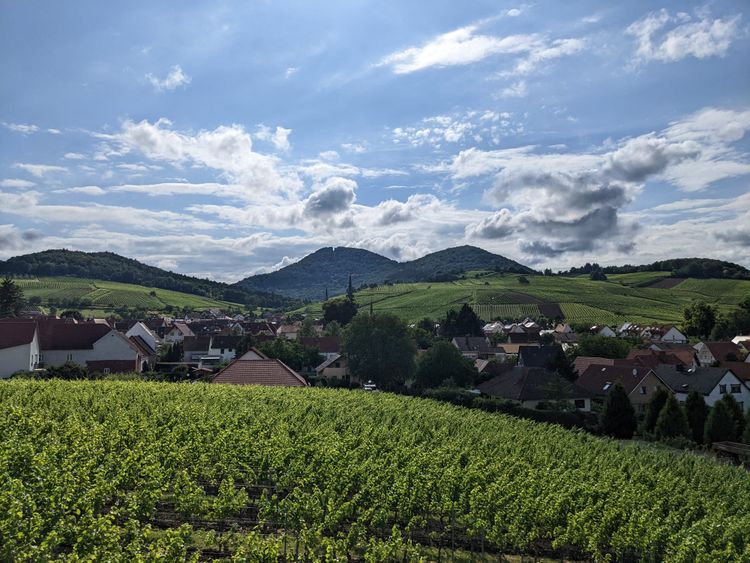
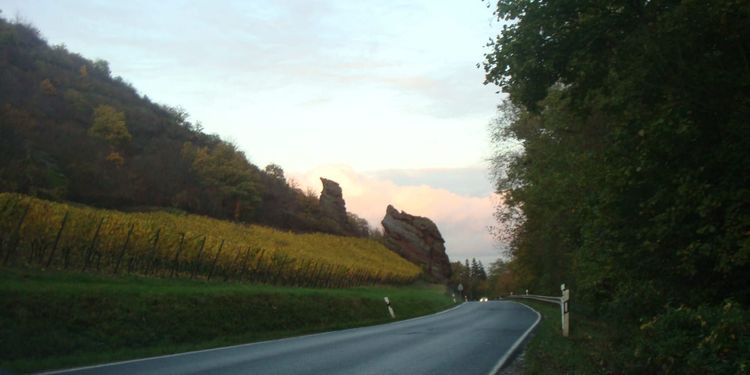
Climate: Sheltered by the Haardt Mountains, the Pfalz has a dry, sunny, temperate climate and is one of the warmest wine regions in Germany
Nahe Producers
Gut Hermannsberg is a 30-hectare estate between the Nahe villages of Niederhausen and Schloßböckelheim. The estate’s history dates to 1902 when it was initially built as the “Königlich-Preussische Weinbaudomäne” (Royal Prussian Wine Estate) and remained under state ownership for its first
Nahe: Exquisitely Tuned
Soils: Quartzite and slate soils on the lower Nahe; porphyry, melaphyre, and red sandstone on the middle Nahe; weathered soils and clay overlays of sandstone, loess, and loam near Bad Kreuznach
Mosel: Winding Slopes of Slate
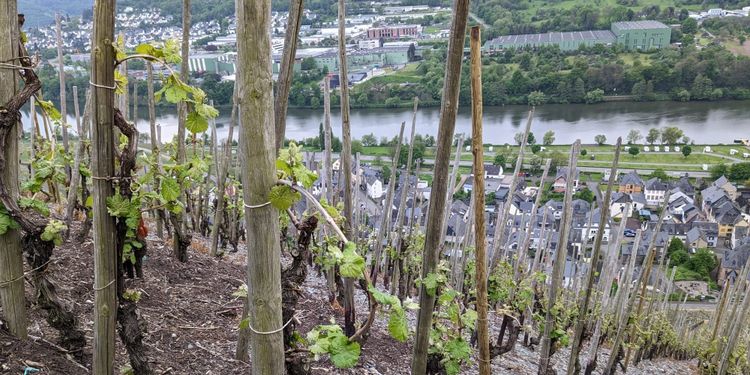
Soils: Devonian slate in the steep sites and sandy, gravelly soil in the flatlands of the middle Mosel Valley; shell-limestone (chalky soils) in the upper Mosel Valley
Mosel Producers
J.J. Prüm is the iconic estate of the Middle Mosel and progenitor of the light, piquant, mineral, and energetic wines with varying degrees of balancing sweetness, which many associate with Mosel Riesling and German wine in general. Riesling Prädikatswein is the name of the game here.* Whil
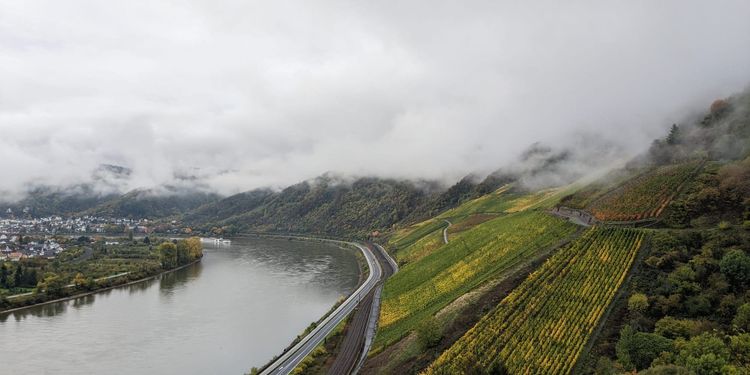
Mittelrhein: Romance on the Rhine
Varieties: [white 84.8%, red 15.2%]: Riesling (65%), Müller-Thurgau (4.9%), Spätburgunder (10%)
Mittelrhein Producers
Tonu Jost, VDP. Weingut
Mittelrhein: Romance on the Rhine →
Hessische Bergstraße: The Spring Garden
Varieties: Riesling (39.7%), Pinot Gris (12.1%), Pinot noir (11%), Pinot Blanc (5.4%), and Silvaner