An Introduction to Wine in Germany
While German wine was once widely associated with sweetness, dry (trocken) wines now dominate production across nearly all regions. Only the Mosel produces more off-dry and sweet wine than dry, though Württemberg can sometimes sneakily produce good volumes of off-dry wine.
Württemberg Producers
Weingut
Württemberg: Oh, those industrious Swabians! →
Württemberg: Oh, those Industrious Swabians!
Württemberg Facts
Hectares under vine10,694 (2025)
Climatemild, with the Black Forest and the Swabian Jura giving natural shelter and
Sachsen Producers
Weingut
Sachsen: Beauty Awakened →
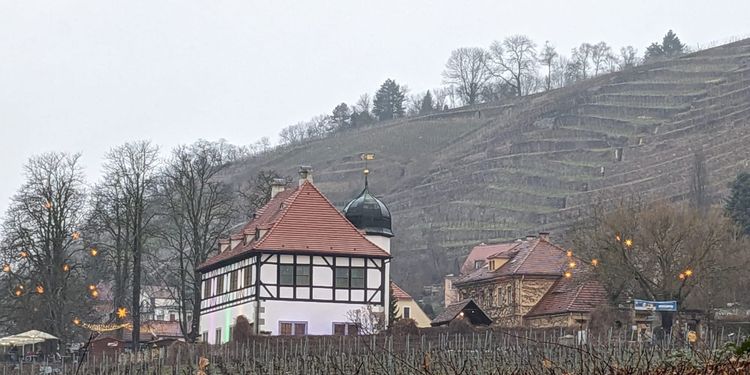
Sachsen: Beauty Awakened
Even today, 96% of Sachsen’s vineyards are tended by Kleinwinzern, each with less than 200 m2 of vines.
Saale-Unstrut: Viticulture on the Edge
Saale-Unstrut lies at the 51st parallel and is the northernmost wine region in Germany. Like its East German neighbor Sachsen, the peak of viticulture in Saale-Unstrut occurred in the 16th century, with 10,000 hectares under vine before the Thirty Years' War.
Saale-Unstrut Producers
Weingut
Saale-Unstrut: Viticulture on the Edge →
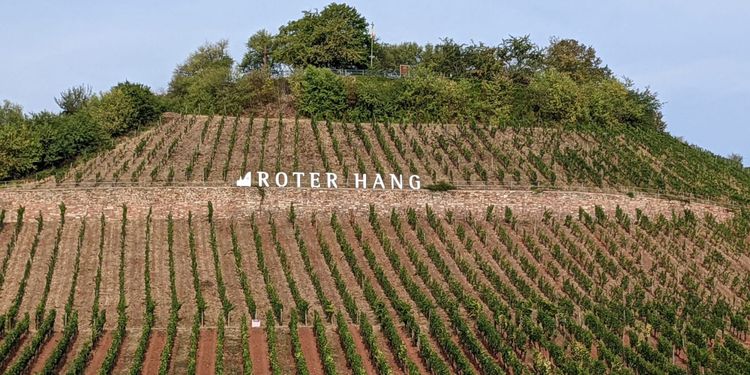
Rheinhessen: Red Slopes, Limestone Hills
“Nackenheimer Rothenberg is one of the very best vineyards in all of Germany.” — Tim Gaiser, MS, Court of Master Sommeliers Advanced Course, 2006.
Rheinhessen Producers
Johannes likes to say, “half of my heart is for Riesling, half of my heart is for Pinot Noir.” Today, the Spätburgunder is more Burgundian, lighter, and fresher, with a more nuanced use of oak. Johannes Gröhl and his sister Franziska are the 13th generation of Gröhls to grow and produce wi
Rheingau Producers
Balthasar Ress is a family-owned estate founded in 1870 in the Rheingau village of Hattenheim. Stephan and Christian Ress are the fourth and fifth generations and run the estate today. Balthasar Ress was a butcher and hotelier who started selling wines to his customers with the phrase “von