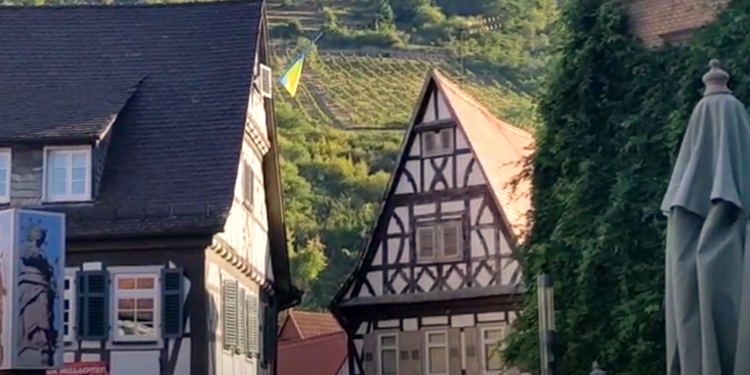
Württemberg: Oh, those Industrious Swabians!
There are three Bereiche (districts) within the Württemberg Weinanbaugebiet (wine region): Kocher-Jagst-Tauber, Württembergisch Unterland, and Remstal-Stuttgart.
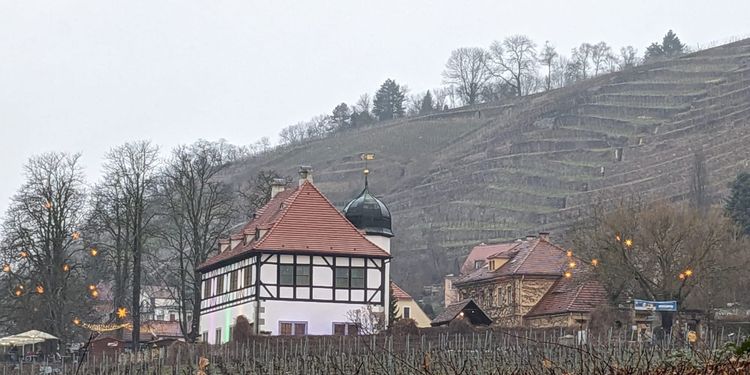
Sachsen: Beauty Awakened
Varieties: 82% white, including Müller-Thurgau, Weißburgunder, Silvaner, Traminer, Gutedel, Riesling, Ruländer, Elbling, Portuguiser, Spätburgunder
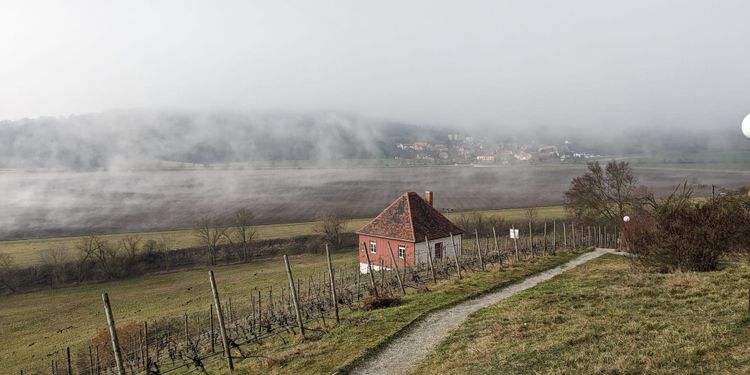
Saale-Unstrut: Viticulture on the Edge
Climate: continental with cold winters, hot summers, and strong temperature fluctuations between day and night.
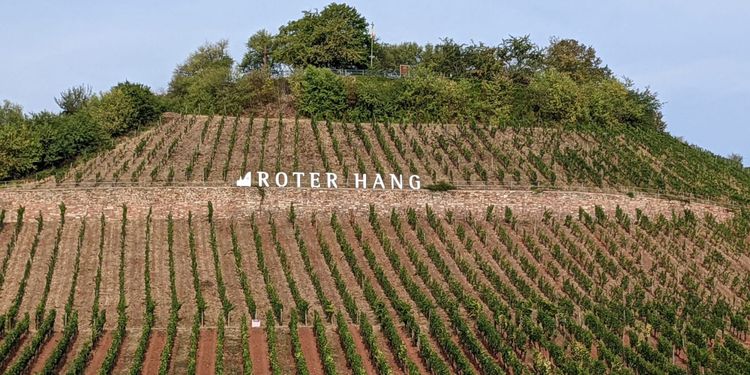
Rheinhessen: Red Slopes, Limestone Hills
Varieties: Riesling 18.1%, Müller-Thurgau, 15.2%, Dornfelder 12.5%, Silvaner 7.8%, Grauburgunder 7.3%, and Spätburgunder 5.5%
Rheingau: Historic, Venerable, Rejuvenated
Climate: Protected by the Taunus mountain and the forest above, the Rheingau has mild winters and warm summers
Pfalz: Pfalz is for the Feinschmecker
Climate: Sheltered by the Haardt Mountains, the Pfalz has a dry, sunny, temperate climate and is one of the warmest wine regions in Germany
Nahe: Exquisitely Tuned
Soils: Quartzite and slate soils on the lower Nahe; porphyry, melaphyre, and red sandstone on the middle Nahe; weathered soils and clay overlays of sandstone, loess, and loam near Bad Kreuznach
Mosel: Winding Slopes of Slate
Soils: Devonian slate in the steep sites and sandy, gravelly soil in the flatlands of the middle Mosel Valley; shell-limestone (chalky soils) in the upper Mosel Valley
Mittelrhein: Romance on the Rhine
Varieties: [white 84.8%, red 15.2%]: Riesling (65%), Müller-Thurgau (4.9%), Spätburgunder (10%)
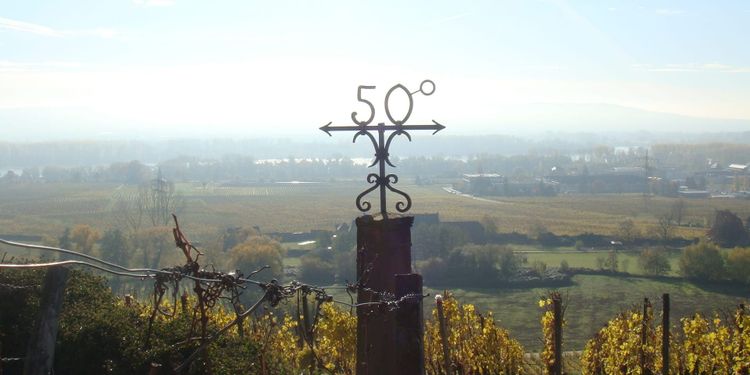
Hessische Bergstraße: The Spring Garden
Varieties: Riesling (39.7%), Pinot Gris (12.1%), Pinot noir (11%), Pinot Blanc (5.4%), and Silvaner