An Introduction to Wine in Germany
Germany comprises 103,000 hectares of vineyards—an area slightly smaller than Bordeaux and about half that of California. Crossed by the 50th parallel north, it stands as Europe's most northerly winegrowing country.
Württemberg Producers
Weingut
Württemberg: Oh, those industrious Swabians! →
Württemberg: Oh, those Industrious Swabians!
There are three Bereiche (districts) within the Württemberg Weinanbaugebiet (wine region): Kocher-Jagst-Tauber, Württembergisch Unterland, and Remstal-Stuttgart.
Sachsen Producers
Weingut
Sachsen: Beauty Awakened →
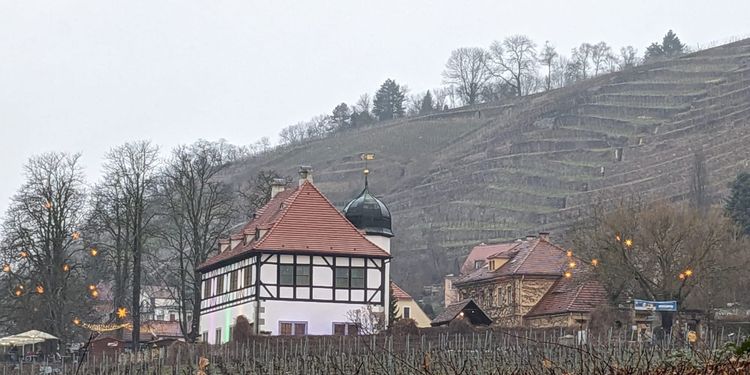
Sachsen: Beauty Awakened
Varieties: 82% white, including Müller-Thurgau, Weißburgunder, Silvaner, Traminer, Gutedel, Riesling, Ruländer, Elbling, Portuguiser, Spätburgunder
Saale-Unstrut: Viticulture on the Edge
Climate: continental with cold winters, hot summers, and strong temperature fluctuations between day and night.
Saale-Unstrut Producers
Weingut
Saale-Unstrut: Viticulture on the Edge →
Rheinhessen: Red Slopes, Limestone Hills
Varieties: Riesling 18.1%, Müller-Thurgau, 15.2%, Dornfelder 12.5%, Silvaner 7.8%, Grauburgunder 7.3%, and Spätburgunder 5.5%
Rheinhessen Producers
Johannes likes to say, “half of my heart is for Riesling, half of my heart is for Pinot Noir.” Today, the Spätburgunder is more Burgundian, lighter, and fresher, with a more nuanced use of oak. Johannes Gröhl and his sister Franziska are the 13th generation of Gröhls to grow and produce wi
Rheingau Producers
Balthasar Ress is a family-owned estate founded in 1870 in the Rheingau village of Hattenheim. Stephan and Christian Ress are the fourth and fifth generations and run the estate today. Balthasar Ress was a butcher and hotelier who started selling wines to his customers with the phrase “von